
Political Voices
Perspective from Party Leadership
An All-Iowa Problem, Requiring All-Iowa Solutions
Cancer in Iowa: Turning Data Into Action and Hope
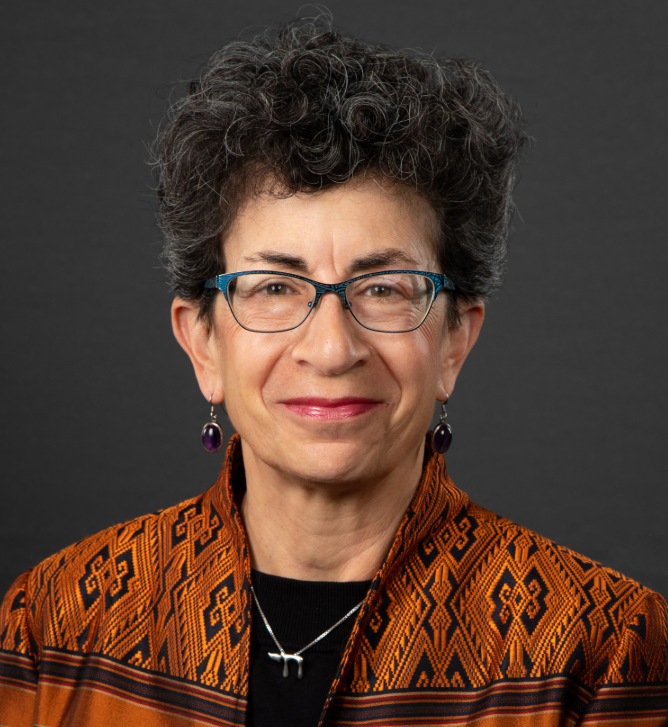
By: Senate Democratic Leader Janice Weiner
Recently, my colleague, Senator Catelin Drey, rose on the Senate floor to announce she had been diagnosed with uterine cancer. Catelin is an otherwise healthy woman in her 30s. Her predecessor, Senator Rocky De Witt, passed away in 2025 after a lengthy fight against pancreatic cancer. He was just 66.
What makes cancer unique among the many issues, obstacles, and crises Iowans face on any given day is its impartiality. Cancer isn’t restricted by any socioeconomic or demographic factors. It doesn’t care about your education, your bank account, or your zip code. It’s not bothered by your age, who you voted for, or what you do for work.
Cancer is a menace that touches us all in one way or another. By now, we all know the stats – second highest rate in the country, only growing rate. It’s an all-Iowa problem that requires an all-Iowa solution. And it will get even worse if we fail, right now, to meet this moment.
Channel every person you know whom cancer has impacted as you consider how best to tackle this crisis that has been building for decades. We can focus on three separate, but essential, areas: prevention, treatment, and research.
To help prevent cancer, we must address risk factors. The Legislature can take some concrete steps to lower exposure risk going forward.
- We can better regulate the use of tanning beds in Iowa. UnityPoint Health reports that using tanning beds before age 35 increases your risk of developing malignant melanoma by 75%. There is a bill up for consideration in the Senate that would require parental approval for anyone under the age of 18 to use a tanning bed.
- We can work to disincentivize vaping and tobacco use, especially by young people, to combat rising lung cancer rates.
- We can do much more with radon detection and mitigation around the state.
When it comes to treatment, we couldn’t find ourselves at a better moment in history. Scientific advances make patient care more manageable every year. Hospitals like UIHC employ some of the best and brightest medical minds in the world. But in order to reach every corner of the state, from urban to rural, we need a renewed focus on bringing in and retaining new waves of skilled nurses, doctors, and medical professionals who see our state as a worthwhile destination to practice. We must invest in an Iowa that values education; an Iowa in which medical students, residents, and practitioners alike want to build a future for themselves and their families. We have to make childcare more accessible, housing more affordable, and lower costs to make it easier to build a comfortable life in Iowa.
Finally, we must invest in cancer research here at home. We can’t continue to rely solely on fickle and fluctuating federal NIH grants. We have to build our own research funding pipeline. The Holden Cancer Center is the gold standard for scientific research in Iowa, and its work benefits the whole state. Last year, $1 million was allocated to cancer research funding. While our researchers in Iowa City put the money to good use, it was a drop in the bucket. This step is precarious and will require patience. The state budget is a mess and digging ourselves out of the hole won’t happen overnight. But I think Iowans would take cancer research funding over a corporate tax giveaway any day.
None of this will be easy. Nothing cancer-related ever is. But we can’t continue down this path while Iowans of every stripe suffer needlessly. Let’s make “the wave” at every Hawkeye football game mean something concrete for our future: by taking action now, future generations can look back with pride that Iowans rose as one to wave goodbye to cancer for good.
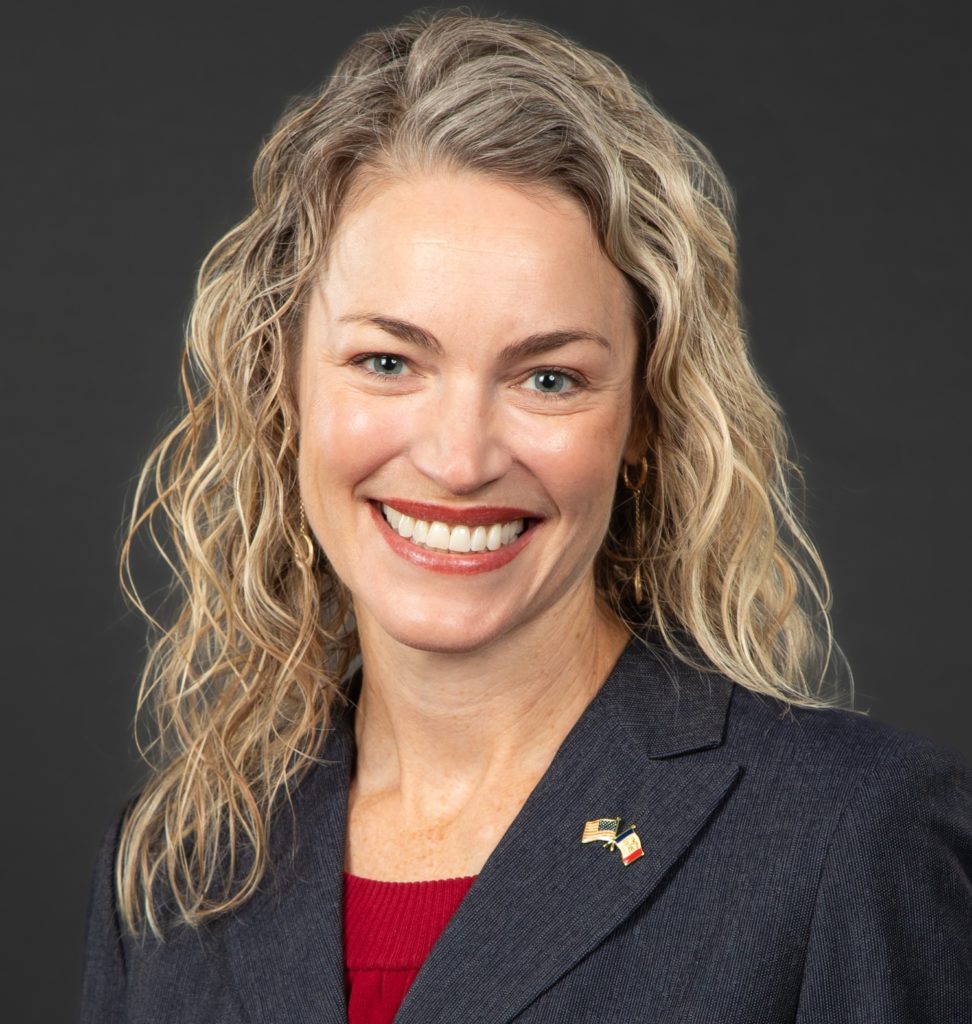
By: Senator Kara Warme
Cancer touches nearly every family in Iowa. More than one in twenty Iowans has received a cancer diagnosis, and our state has one of the highest rates of new cancer cases in the nation. Those numbers are not abstractions. They are neighbors, coworkers, parents, and children. As chair of the Iowa Senate Health and Human Services Committee, I believe we owe Iowans not only honesty about these facts, but a clear plan to act on them.
Last year, the Iowa Legislature took an important first step by passing legislation directing a comprehensive study into what is driving cancer in our state. Working with Iowa Health and Human Services and the University of Iowa College of Public Health, this effort recognizes a simple truth: cancer is not caused by one thing. It is a puzzle made up of behavioral factors like smoking and alcohol use, environmental exposures such as radon and arsenic, and genetic risks that vary across communities.
Initial results released this week dive into the four cancers that drive Iowa’s above-average rates: prostate, lung, breast, and melanoma (skin). The mapping exercise also included colorectal cancer due to its prevalence. In four of those five cancers, we see relatively good news that Iowa’s higher rates come in early stage—and therefore more treatable—cancer diagnoses, and cancer deaths are not higher than the rest of the country. The one outlier is lung cancer, where Iowa is highest in the most advanced stage of cancer, and mortality tragically exceeds national levels, with 25% of cancer deaths in Iowa attributed to lung cancer.
This work is about turning facts into solutions and Iowa has secured a major opportunity to accelerate progress. Through the federal Rural Health Transformation Grant authorized by the One Big Beautiful Bill Act, our state has been awarded $209 million to support the Healthy Hometown initiative. This investment will strengthen rural health systems, expand access to care, and directly support cancer screening, prevention, and treatment—particularly in the areas where the data shows the need is greatest.
Healthy Hometowns is not a theoretical plan. Combating cancer starts with screening, and our new strategy removes the barriers to these tests. Whether it is providing radon mitigation to fight lung cancer, funding MRIs for breast cancer follow-ups, or utilizing telehealth for skin cancer checks, Iowa is streamlining the path from detection to treatment. These federal dollars give us momentum, and it is our responsibility to use them well.
That brings me to the work ahead in the legislature this year. Our first priority is to codify key elements of the Healthy Hometowns grant into state policy, so Iowa remains eligible for continued federal funding in future years. Just as important, we must ensure there are no unnecessary delays in getting these resources into action. Iowans cannot afford to wait while dollars sit on paper instead of reaching clinics, providers, and patients.
As we continue to assess results from the cancer study, we will also consider additional policy options. Those will include reviewing regulations around tanning bed use for minors, examining tobacco taxes and cessation efforts, encouraging access to healthier foods, and other measures tied directly to the data. Not every idea will be right, and not every solution will be legislative. But we are committed to following the facts where they lead.
Equally important is how we communicate about cancer. Iowa has some of the nation’s highest rates in known cancer risk factors such as binge drinking, obesity, and eating less than one serving of vegetables a day. But information alone does not change behavior. Trust does. As we move forward, we must ask not only what we say, but who is best positioned to say it. Often, the most effective messengers are close to home: local public health professionals, medical providers, teachers, employers, faith leaders, and even respected voices in local businesses or community life.
Our goal in Iowa must be to increase hope and access, not anxiety. We can respect personal freedom while still providing clear, credible information that empowers people to make decisions for themselves and their families. Words matter. Tone matters. And compassion matters.
Cancer is a complex challenge, but it is not an unsolvable one. In the legislature, we often talk about making Iowa the best state to live, work and raise a family. With strong data, strategic investment, thoughtful policy, and trusted community partnerships, Iowa can bend the curve.